
Yoga
Making Room for Yoga in a Lifting or Running Week
Your week already has runs, lifts and real life in it. Give yoga a clear place by looking at the whole calendar, the kind of class and the time it actually takes.
September 14, 2026
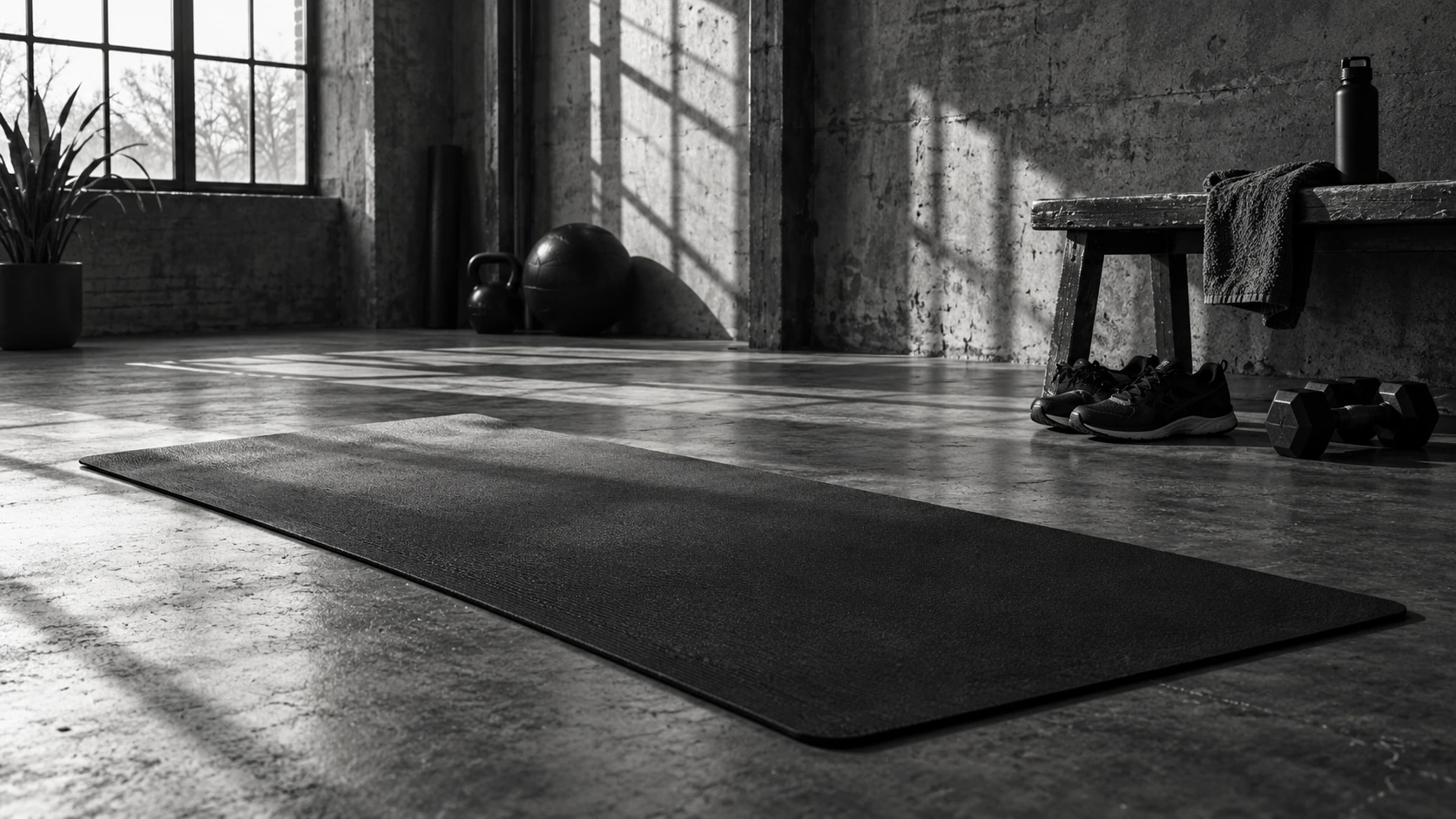
You have a lifting plan, a run on Saturday and a calendar that fills itself. Yoga keeps getting the space left over. By Friday, that space has disappeared.
The answer starts with one honest calendar decision: where can yoga fit without making the week harder to live? Treat the first version as an experiment you can adjust. You are making room for a practice, and that includes time to learn.
Look at the whole week
Write down what is already fixed: work, family commitments, the sessions you care about most and the days you intend to leave open. Include travel and changing time. A sixty-minute class across town can occupy two hours of your evening.
Now mark a realistic opening. A class you can reach on an ordinary Tuesday is more useful as a starting point than the perfect class that requires everything to go right. Leave some breathing room around it instead of booking meetings right up to the start and dinner immediately after the finish.
If the calendar is genuinely full, choose what will move. Adding yoga means allocating time. Putting another appointment into an impossible week does not resolve the conflict.
Know what you are booking
Check the class description for pace, heat, length and the amount of sustained effort. Ask the studio what a typical session involves. The word “yoga” alone tells you too little about how demanding your evening will be.
ACE's discussion of recovery distinguishes lower-intensity activity from harder training and emphasizes the role of rest. That is a reason to account for the actual demands of a yoga class when planning your week; a challenging class still belongs in the workload you are considering. Read ACE's recovery guidance.
Give the teacher useful context: “I lift twice a week and run on the weekend. I want to learn yoga, and I am looking for a class I can fit alongside that.” Ask about a suitable entry point. There is no universal weekday arrangement that works for every runner, lifter and yoga class.
Make a workable first version
Choose one regular class as your initial calendar appointment. This is a scheduling trial, not a recommended exercise dose. Book a session that matches your experience and leave the rest of the week as recognizable as possible.
Keep a shorter home option available for days when travel is the obstacle. Select a beginner practice from a teacher whose instructions you can follow, and save it before the busy day arrives. Kripalu's account of building a home practice describes allowing shorter sessions and adapting practice to changing circumstances. Read the Kripalu article.
The home option does not have to reproduce a studio class minute for minute. Its job in your calendar is to give you a realistic alternative when the usual appointment becomes impractical.
Review the fit after each week
Ask three simple questions: Could you get there without rushing? Did the class match what you expected? Was the arrangement workable alongside your other commitments?
Keep a brief note, such as “Loved the instruction; the drive was too long” or “Class worked; Thursday clashes with dinner.” Change the thing that failed. You might need a nearer studio, another time or a different class description, rather than more determination.
If your training is programmed by a coach, share the yoga sessions with them so the calendar they see reflects what you actually do.
Open next week's calendar and reserve one realistic space. For help making that appointment repeatable, read Building a Yoga Habit You Can Repeat. Explore Breath Metal's yoga gear when you are ready to build your setup.